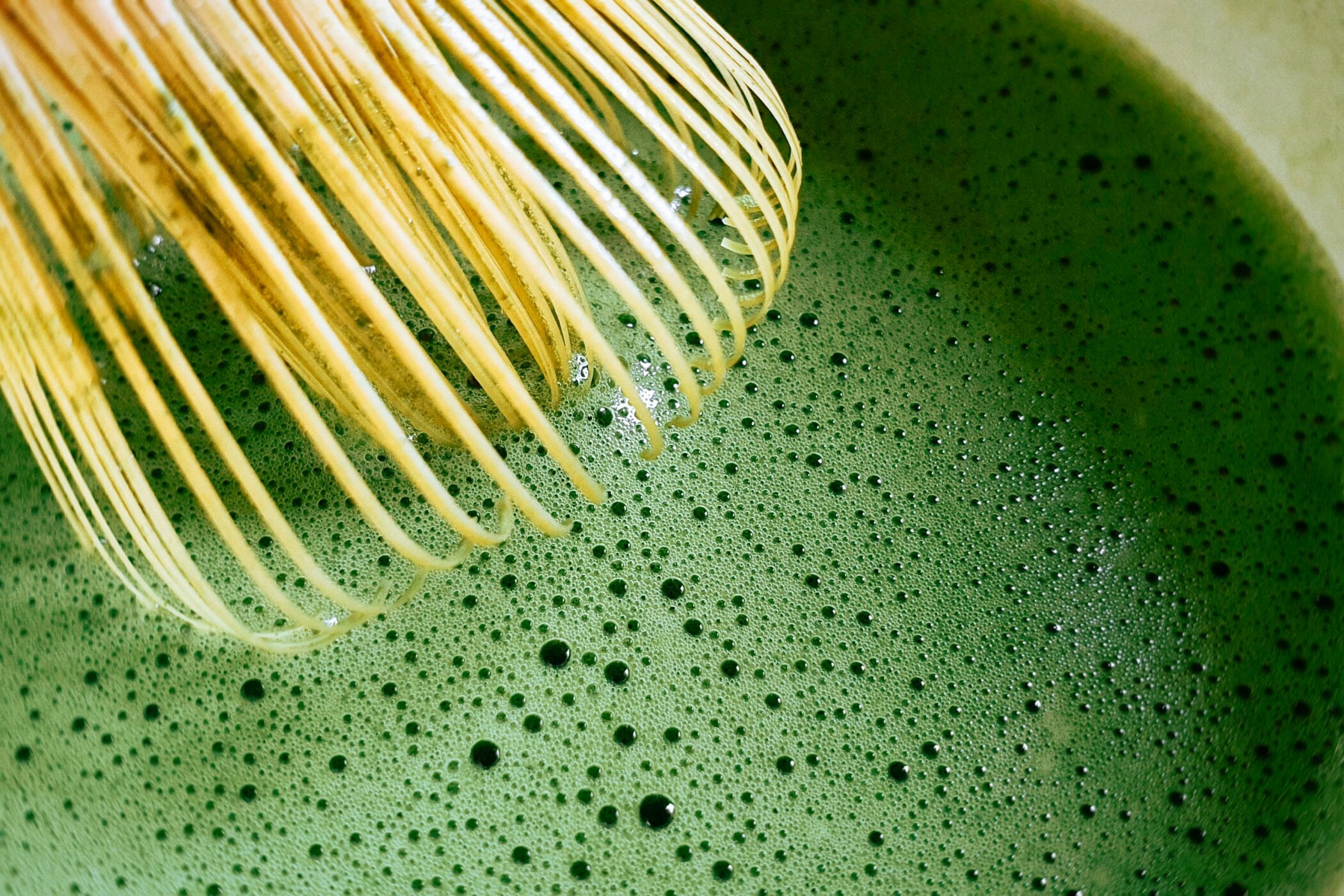
Recently in human society, matcha has established itself as a 'hip yet healthy image', interlocking with proof shots of celebrities. The production method of growing young tea leaves away from direct sunlight and finely grinding them through a meticulous process naturally became a symbol of 'devotion' and 'rarity'. Photogenic matcha specialty shops have appeared one after another in cafes in New York and London, and as global media highlight its popularity, matcha has begun to be consumed as a lifestyle beyond a simple beverage.
The matcha craze does not stop at increasing sales volume. Its unique low-saturation green color is spreading to fashion, interior design, and beauty accessories, standing at the center of emotional consumption. An attitude of not showing off outwardly but having clear tastes, and pursuing a refined daily life instead of excessive stimuli. Matcha has established itself as a code symbolizing such a 'quiet, self-satisfying lifestyle'.
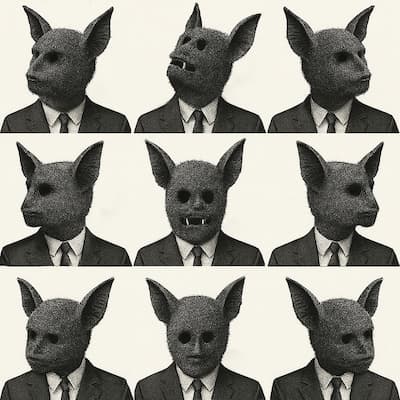
This trend has naturally permeated vampire society as well. Accounts uploading photos holding a matcha latte instead of intense blood drinks have increased, and scenes of verifying green cups along with the phrase "Excessive arousal does not last long" are not difficult to capture. Especially among young vampires who have not been active for long, matcha is consumed as a symbol of 'pacing speed' and a 'sense of balance'.
Interest in health also plays a part. Matcha is regarded as a beverage that aids 'calm arousal' due to its lower caffeine content than coffee and the stabilizing effect of L-theanine. Research on antioxidant components and stress relief effects also continues, aligning with the desires of young vampires looking to take care of both productivity and wellness simultaneously. The lifestyle trying to maintain a steady rhythm instead of hyperarousal and impulse exquisitely overlaps with the image of matcha.
Market responses are also hot. Convenience store and cafe brands are successively showcasing collaboration products such as matcha makgeolli and matcha desserts, and the green hue is spreading beyond beverages into the fields of fashion, beauty, electronic devices, and living. Last year, the global matcha market size was estimated at around 5.3 trillion won, and prospects emerge that it will reach around 9 trillion won in 2029. Matcha exports from Japan, a major producing country, are increasing sharply, and product development and exports are also actively being carried out in Korea, centered on the homes of tea such as Hadong in Gyeongnam and Boseong in Jeonnam. Matcha has become an industrial keyword that no longer remains just a 'cafe menu' item.
Of course, skeptical views also exist. Analyses clash between criticisms that green proof shots are nothing more than another display of consumption, and analyses that it will have longevity because it touches upon the zeitgeist of nature and well-being. There are also opinions that the trend's bubble will burst within a few years.
Red Fades, Green Rises — The Young Vampire Matcha Consumption Craze
Related news
lifestyle
〈Blood Kitchen〉: A Culinary Survival Battle Reinterpreting Human Blood Cuisine
The culinary survival show 〈Blood Kitchen〉, which replicates human society's 'blood cuisine', is making headlines day after day.
Jun 19, 2026 •
3 min read

lifestyle
Heartbeat Instead of White Noise: The Vampire-Style ASMR Craze
Recently, ASMR, which induces psychological stability through the sounds of rain or burning firewood, is spreading like a trend in human society.
Jun 5, 2026 •
2 min read
lifestyle
Curious About Today's Omen? Fortune App 〈Night Omen〉
Around sunset, the phone screen briefly lights up. "Today's omen has arrived."
May 29, 2026 •
3 min read
Report a sighting