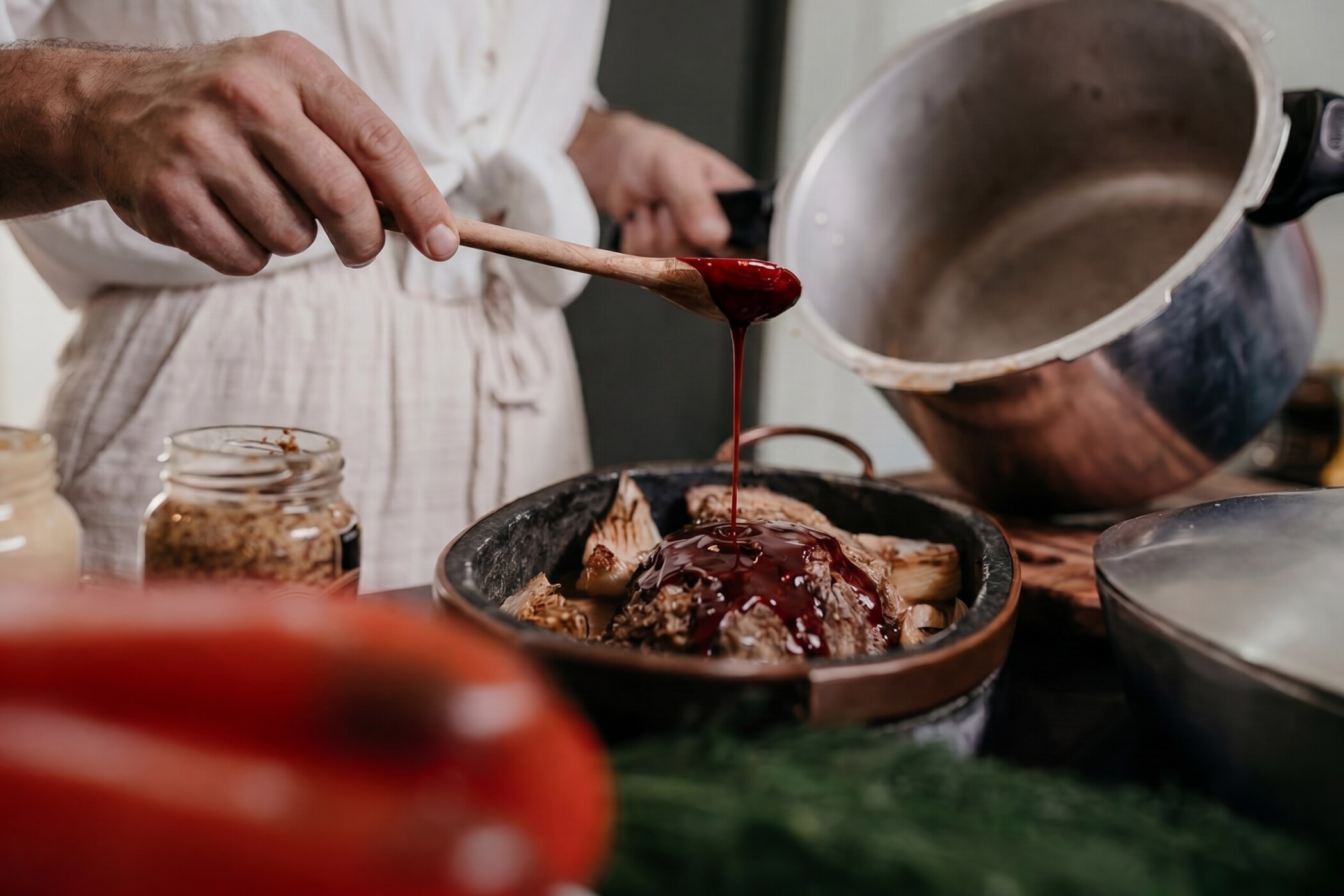
The culinary survival show 〈Blood Kitchen〉, which replicates human society's 'blood cuisine', is making headlines day after day. Korean Sundae, British Black Pudding, and blood sausages across Europe including Spain and Germany. Vampires who once lived embedded in human society say they felt a strange sense of déjà vu when they first encountered these foods. The fact that "humans have also been cooking the taste we thought was exclusively ours since long ago" was both a shock and a source of curiosity. 〈Blood Kitchen〉 starts from that memory.
The structure of the program is clear. 'Vintage Chefs' boasting centuries of experience and newly emerging 'New Blood Chefs' face off team by team. It does not stop at simply replicating human dishes. Replication accuracy, blood-taste (혈미, 血味) balance, and nocturnal pairing—the combination of aroma, temperature, and texture suitable for the rhythm of the night—are evaluated meticulously.
The evaluation criteria are also demanding. The first is 'fidelity of memory': how well the chef understood and reinterpreted the historical and cultural context of the region where the dish was born. The second is 'tuning of blood-taste': how elaborately the iron aroma, fat concentration, and the lingering scent created by herbs and spices are tailored to the vampire palate. The last is 'control of instinct': the key is whether they restrained their desires within the format of cuisine, rather than simply pushing through with intense flavors.
One participating chef states, "We have consumed blood, but we have not cooked it often. 〈Blood Kitchen〉 is a stage that tests that possibility." In fact, the program puts the shift from a 'being that eats' to a 'being that cooks' at the forefront. While using blood as the raw ingredient, it actively introduces culinary techniques developed in human gastronomy, such as fermentation, smoking, and low-temperature aging. In some episodes, a 'vegan blood' menu utilizing laboratory-cultured blood appears, embracing discourses on ethical consumption.
Recently, major convenience store chains launched limited-edition collaboration products in partnership with the participating chefs. Products that reinterpret the menus from the broadcast into convenient food formats—such as the 'Vintage Blood Sausage Bar', 'Neon Sundae Cup', and 'Low-Temperature Aged Black Pudding Snack'—are continuing a streak of selling out as soon as they are placed on shelves. Proof shots with the hashtag #BloodKitchenCollab are pouring onto social media, showing an expansion into yet another gastronomic trend where broadcasting and retail interlock. To what extent can the ingredient of survival be handled with sophistication? The dinner table of the night is being set once again.
〈Blood Kitchen〉: A Culinary Survival Battle Reinterpreting Human Blood Cuisine

Related news
lifestyle
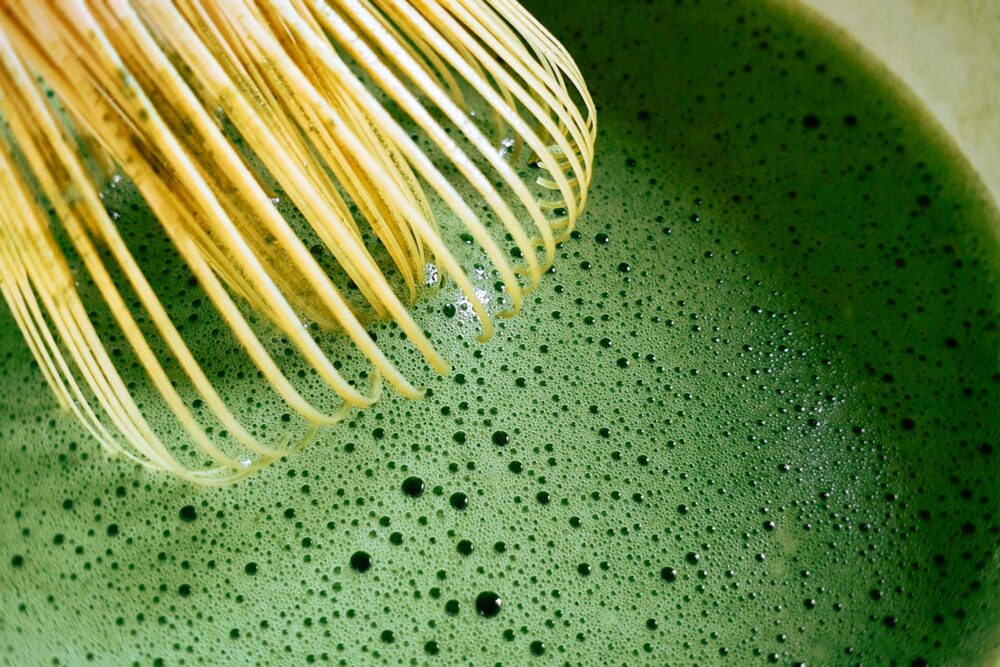
Red Fades, Green Rises — The Young Vampire Matcha Consumption Craze
Recently in human society, matcha has established itself as a 'hip yet healthy image', interlocking with proof shots of celebrities.
Jun 26, 2026 •
3 min read

lifestyle
Heartbeat Instead of White Noise: The Vampire-Style ASMR Craze
Recently, ASMR, which induces psychological stability through the sounds of rain or burning firewood, is spreading like a trend in human society.
Jun 5, 2026 •
2 min read

lifestyle
Curious About Today's Omen? Fortune App 〈Night Omen〉
Around sunset, the phone screen briefly lights up. "Today's omen has arrived."
May 29, 2026 •
3 min read
Report a sighting