Recently, cases complaining of jaw joint pain are increasing in vampire society. Until now, it was dismissed as temporary muscle pain or fatigue, but detailed examinations have shown that a significant number are related to jaw joint (temporomandibular joint, TMJ) dysfunction. In particular, repeated excessive mouth opening and the habit of unilateral use are being pointed out as the main causes inducing joint disc displacement and chronic inflammation.
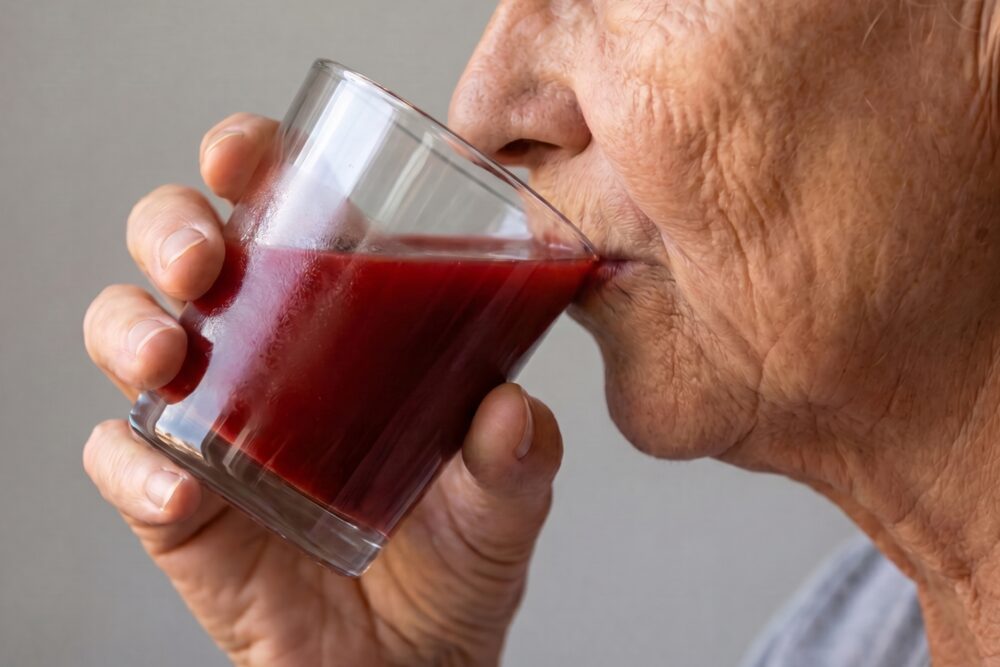
The Vampire Association of Oral and Maxillofacial Surgeons announced that in a recent survey of 120 citizens over the age of 100, 47% of respondents answered, "I have experienced pain around the ears or headaches after bloodfeeding." Among them, 30% were accompanied by symptoms of a 'clicking' sound when opening their mouths widely, or the jaw becoming stiff right after waking up in the morning. Dr. K of the Department of Oral and Maxillofacial Surgery at Night City Hospital, who led the research, explained, "The structure of vampire fangs is optimized for powerful cutting force, but the joint itself is vulnerable to repetitive hyperextension," adding, "In particular, the early awakening generations have a higher risk of injury due to their inexperience in strength control."
The problem is 'overconfidence in resilience'. Because they possess near-immortal regenerative abilities, initial pain is often neglected. However, articular cartilage is vulnerable to repeated damage, and if neglected for a long time, it can lead to irreversible deformation. In fact, L, a 310-year-old citizen, recently started treatment belatedly, saying, "I passed off the pain as nothing for decades, and recently it reached a state where one side of my jaw doesn't open completely."
Experts classify this as 'Habitual Unilateral Bloodfeeding Syndrome'. The habit of tilting the head in only a specific direction or concentrating force on one fang causes joint asymmetry. Also, a sudden mouth opening angle and excessive forward movement can induce nerve compression, which can be accompanied by headaches, facial pain, and even dizziness.
Accordingly, the academic community proposes 'how to bite well' as a new standard for health management. The core is three things. First, distribute the force in stages without forcibly expanding the mouth opening angle. Second, maintain a balanced use of the left and right. Third, after bloodfeeding, alleviate inflammation with joint stretching and low-intensity cold compresses. Some hospitals are also conducting treatments to correct the joint position utilizing occlusal stabilization appliances (splints).
Recently, the number of young vampires visiting TMJ specialized clinics has noticeably increased. This is because, in the case of generations with 20 years or less since their awakening, their biological responses are unstable and their thirst cycles are short, making it easy to repeat unreasonable movements. Experts emphasize, "Thirst control training and joint management education must be conducted in parallel to prevent long-term functional decline."
Bloodfeeding is an act of survival for vampires, but it has become clear that repeated movements can put a burden on the joints. Experts recommend, "If the pain persists for more than two weeks, or is accompanied by limited mouth opening or joint noise, it is advisable to receive professional medical treatment." They explain that there is a high possibility of symptom improvement if lifestyle habit correction and physical therapy are combined in the early stages.
Even if there are no noticeable symptoms, as the jaw joint is an everyday used area, it is helpful to check its condition through a regular examination at least once. Since not neglecting minor discomforts is advantageous for maintaining long-term function, the necessity of preventive management is increasingly being emphasized.
Pain After Bloodfeeding — Vampire Temporomandibular Joint Disorder Report


Related news
health
Bloodfeeding Timing More Important Than Quantity Restrictions… Clinical Evidence for Intermittent Thirst
One of the keywords most frequently mentioned in the vampire community recently is 'intermittent thirst'.
Jun 12, 2026 •
2 min read

health
Vampire Health Column #3: To Ensure Eternal Life Doesn't Become Suffering, What Must You Change Now?
Greetings, VAMPIRE NOW readers. In previous columns, we explored the impact of blood deficiency on the body and the various red flags our bodies send.
Jan 20, 2026 •
3 min read

health
Vampire Health Column #2: The Impact of Blood Deficiency on Our Bodies
Greetings, VAMPIRE NOW readers. In the last column, we discussed the sweet temptation of caffeine.
Jan 19, 2026 •
3 min read
Report a sighting