Humans Finally Confirm Black Hole Collision — A Century Late, Say Vampires
The human scientific community is celebrating after detecting gravitational waves caused by two massive black holes colliding—finally proving theories predicted by Einstein and Stephen Hawking decades ago.
But for vampires, the fascination lies in the nature of black holes themselves: eternal darkness, no light, no time. The perfect dream of eternal shade. Their existence is now proven by human hands.
Elder vampires reacted with amusement. One 500-year-old wrote, “I stood beside Albert in 1915 watching him scribble equations. He was close. But humans needed a full century to prove it. Time crawls for mortals.”
Some romantic vampires even joked about migrating into a black hole. “Endless darkness without sunlight sounds like paradise,” one said—ignoring the spaghettification issue.
The idea that even black holes eventually evaporate brings immortals a bittersweet comfort. Even perfect darkness isn’t forever.
Still, humans peer into cosmic voids determined and curious. Slow, but persistent. As elders in the dark, we applaud them—and smile, remembering we witnessed the beginning long before they proved the end.
Humans Finally Confirm Black Hole Collision — A Century Late, Say Vampires

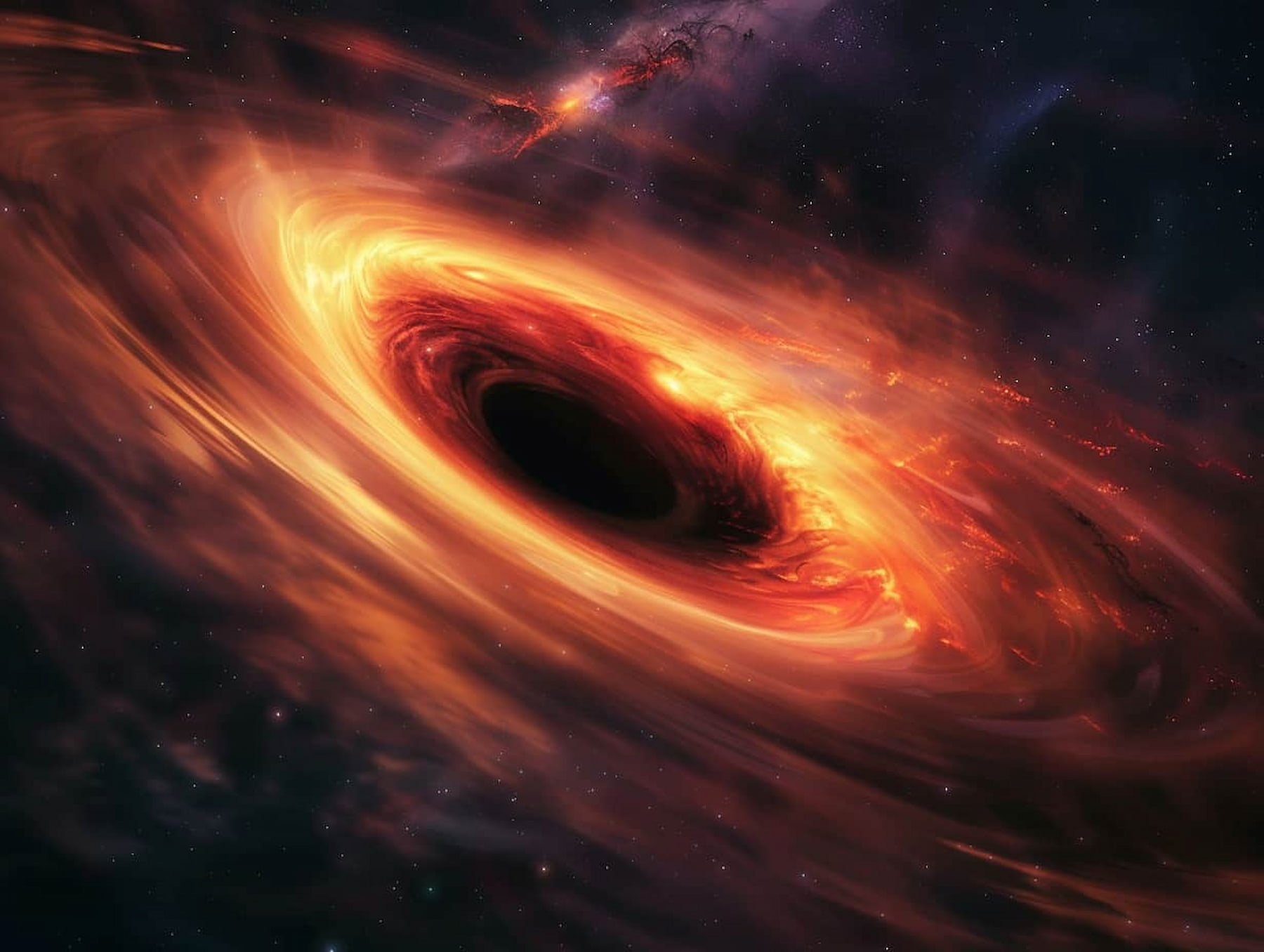
Vampires watch humans celebrate cosmic discoveries—amused.
Related news

tech
Eternal Companions with a Battery Swap — AI Pet Robots Become the New Vampire Companion Culture
A companion that won’t die — a new generation of vampire pets.
Nov 13, 2025 •
1 min read

economy
Premium Human Blood? Actually Cow Blood — Supply Chain in Crisis
At dawn last Tuesday, a 120-year-old vampire was rushed to the ER with vomiting and respiratory failure.
Nov 17, 2025 •
2 min read

society
Forever 17 — A Vampire Trapped in High School for 100 Years
Some vampires who live among humans stop aging visually and become locked to a single identity range. S is one such case — eternally 17.
Nov 17, 2025 •
1 min read
Report a sighting