When the cold winds begin to blow, a kind of collective virus spreads through human society. The symptoms are unmistakable: perfectly healthy trees wrapped obsessively in lights, long lines at cafés to secure red cups, and the same songs looping endlessly in every street. For us vampires, December is merely the beginning of yet another winter repeated hundreds of times. But for humans, whose lives are fleeting, this season unfolds with the gravity and chaos of an approaching apocalypse. From our immortal perspective, human holiday culture is wildly inefficient—yet strangely endearing. Here, we examine it through an anthropological lens.
The ‘New Person’ Syndrome That Returns Every 365 Days
Humans perceive time linearly. To them, the boundary between December 31 and January 1 carries enormous symbolic weight. During this period, they perform rituals known as year-end parties, washing away regrets with alcohol, and make New Year’s resolutions to become better versions of themselves. Gym memberships, quitting smoking, learning new languages—never mind that many of these vows rarely survive beyond February. To beings like us, for whom yesterday and today are nearly indistinguishable even after centuries, humans declaring “This year will be different” with sparkling eyes is rather charming. Perhaps because their time is finite, they cling so desperately to the knot of a single year.
Warmth That Flows Only in the Coldest Season
The most fascinating phenomenon is how human heart rates seem to warm during this time. Those normally indifferent to others suddenly drop bills into charity kettles and exchange handwritten cards of gratitude. When the world is at its coldest, they paradoxically reveal their warmest emotions. This contradiction may well be humanity’s greatest flaw—and its greatest charm. During December, higher levels of dopamine and oxytocin are detected in human bloodstreams. (Which might explain why humans taste slightly sweeter this time of year.)
[Editor’s Note]
Human holidays are loud, inconvenient, and excessively sentimental. Yet for us, weary inhabitants of eternity, their ‘temporary passion’ is a surprisingly engaging spectacle. Tonight, step out into the streets. Blend in among humans dressed in red, shaking bells, and observe their excited breaths and overflowing vitality. We may never be the protagonists of their celebration—but simply watching that energy might make this long winter night a little less boring.
A Curious and Endearing Observation of Human Holiday Rituals
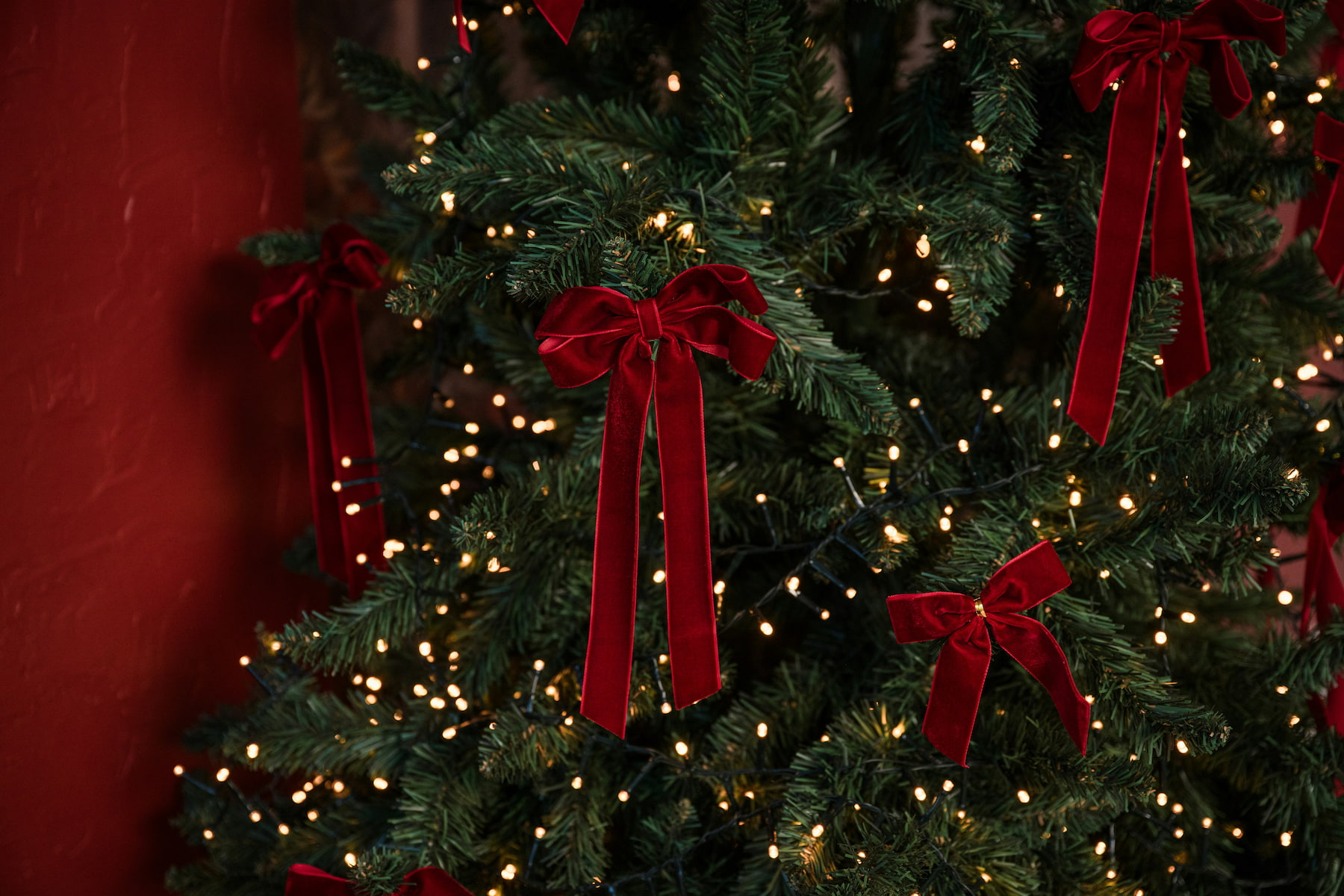
As winter begins, human society collectively shifts into celebration mode.
Related news
breaking
Forbidden “Desires”: Crossing the Line of the Taboo? The Mystery of the Vampire Escape
With the Vampire Pursuit Unit confirming that the fugitives were caught trying to bite a human woman, suspicions have arisen that their perilous act stemmed from a forbidden desire.
Dec 22, 2025 •
1 min read

tech
Eternal Companions with a Battery Swap — AI Pet Robots Become the New Vampire Companion Culture
A companion that won’t die — a new generation of vampire pets.
Nov 13, 2025 •
1 min read
hobby
Blooming Under Moonlight — Night Gardeners and the Rise of Moon Gardening
The plant-loving “plant butler” trend has reached vampire society — except their gardens wake at night, not day.
Nov 20, 2025 •
1 min read