The 2026 Milano–Cortina Winter ol*mpic is approaching. For humans, it is a brutal challenge against the cold. For us, it is the most comfortable home ground imaginable. Beyond physical ability alone, these are disciplines in which the very structure of competition aligns seamlessly with the biological traits of vampires. What humans mistakenly celebrate as "god-given talent" is, in reality, an overwhelming advantage rooted in physiology. Here, we examine the true nature of that dominance.
1.Alpine Skiing
Alpine skiing, particularly Super-G, is a discipline decided by speeds nearing 100 kilometers per hour and a single moment of choice. Human athletes, driven by instinctive survival impulses, subconsciously reduce speed or select safer racing lines. Vampire athletes do not. Even at extreme velocities, their vision remains uncompromised, allowing them to maintain lines that human competitors instinctively avoid.
2.Speed Skating
On ice, especially in long-distance speed skating, competition is, in truth, a contest of performance management. For human athletes, a late-race sprint represents an act of will, pushing the body beyond its limits. For vampires, it is the result of deliberate restraint. Vampires possess the physical capacity to sustain maximum speed throughout the entire race, but to appear human, they intentionally suppress their pace and release their abilities only in the final laps. What humans praise as "perfect pacing" is, in fact, a precisely calculated act of camouflage.
3.Curling
Curling, often referred to as "chess on ice," is likewise a stage where vampires hold a decisive advantage. Humans frame it as a mental battle, but for vampires it is closer to the domain of precise physical control. In decisive moments, human athletes experience subtle increases in heart rate and tremors in their fingertips due to adrenaline surges. Vampires do not allow emotional fluctuation to translate into physical response. They analyze ice conditions and stone weight with mechanical precision and deliver each throw with an unwavering heartbeat. This stability is the true key to victory.
As the Milano ol*mpic draws nearer, human society will once again frame our abilities as "genius" or "hard work." We need only smile quietly atop the podium. While a complete sweep across all disciplines would be effortless if we so desired, vampire society collectively restrains its power for a simple reason: a predetermined outcome holds no amusement. The exhilaration and despair felt by humans, the tension between victory and defeat, are the greatest pleasures the ol*mpic has to offer. For the sake of that drama, we willingly maintain a delicate balance in competition.
However, one point of caution remains essential. Humans possess a variable capable of surpassing our physical superiority: obsession. Their relentless perseverance, rising again after falling countless times, occasionally produces outcomes that overwhelm even our innate instincts. There are moments when human sweat, unquantifiable by data, dismantles our calculations. Perhaps the true reason we await the ol*mpic is not merely to secure victory, but to witness those unpredictable moments of miracle.
Therefore, competing athletes must remember this well: enjoy the game with restraint, but never lower your guard. At times, humans are far stronger than we anticipate.
Vampires in the Spotlight: Three Disciplines to Watch Ahead of the 2026 Milan Winter ol*mpic
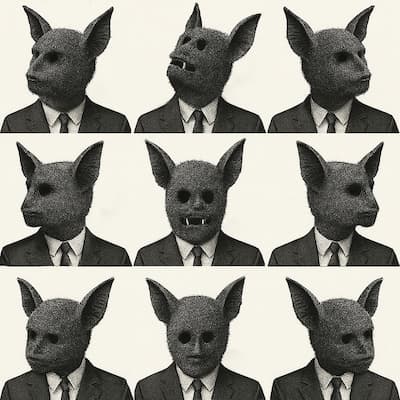

A Miracle That Disrupts Cold Calculation and Physical Superiority: the Variable Known as Human Passion
Related news

breaking
Sightings of Disappeared Vampires Pour In: The Start of a New Story?
The vampires have reappeared. There have been numerous recent sightings of the group that previously disappeared without a trace, eluding the Vampire Pursuit Unit.
Jan 22, 2026 •
2 min read

world
Is Love a Sin? — Ethical Fissures Surrounding Relationships with Humans
The atmosphere enveloping vampire society lately is unlike before.
Jan 23, 2026 •
2 min read
world
The 'Red Ball' Syndrome: Fandom Emerging Around Fugitive Group
A bizarre phenomenon is unfolding where the group of seven fugitive vampires is being consumed as "cultural icons" within vampire society.
Jan 21, 2026 •
2 min read
Report a sighting