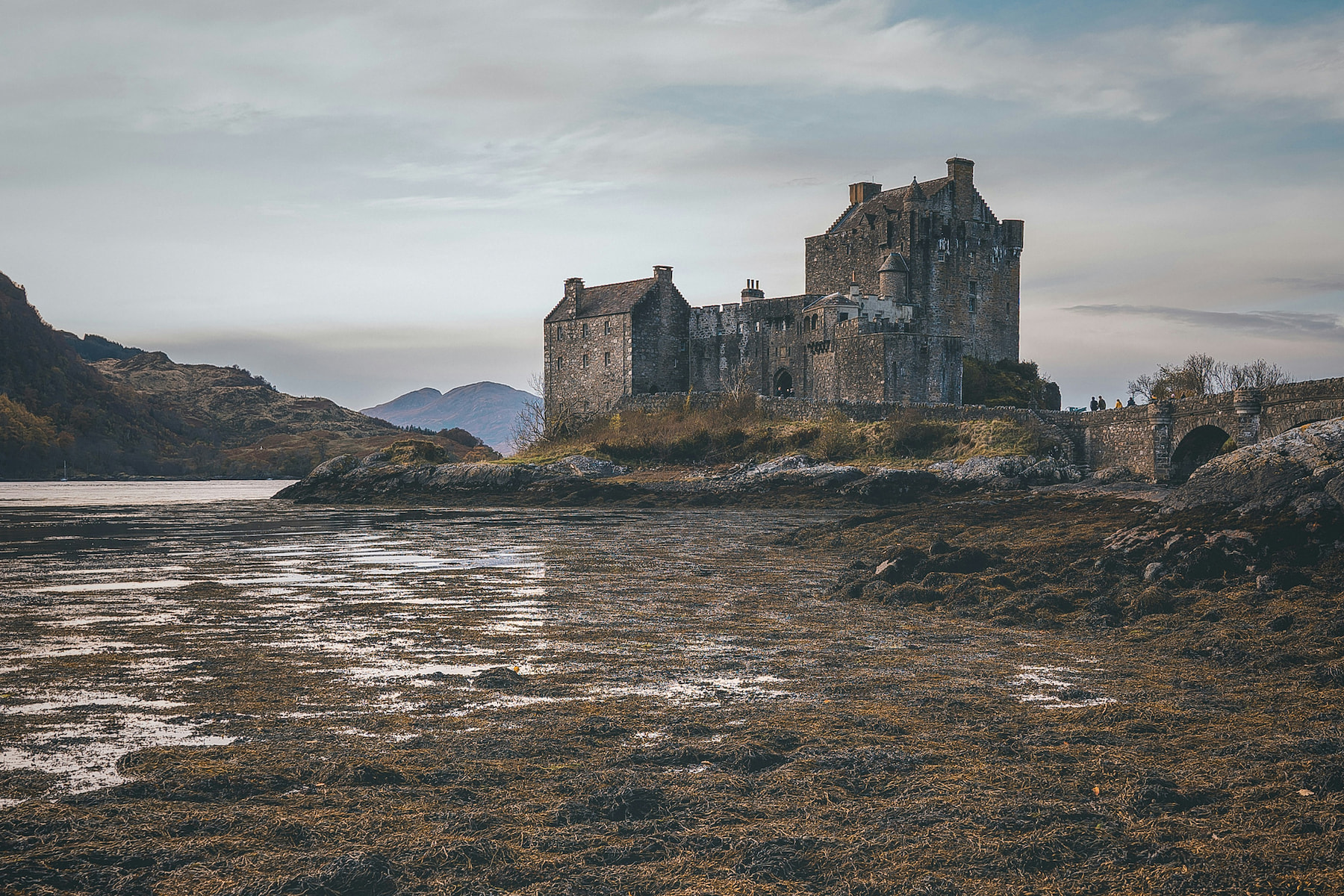
A 300-year-old mansion belonging to a once-powerful prestigious lineage, from a time when human and vampire societies were deeply intertwined, was recently discovered at the bottom of a submerged lake. Due to extreme climate conditions in recent years, the lake’s water level has dropped significantly, revealing the exterior walls and parts of the structure that had been hidden for centuries.
The family in question is known to have exerted significant political and commercial influence across Europe and Eastern Europe during the early 17th century. In particular, it has been revealed through this discovery that the manor was renowned as a landmark of the vampire social scene, constantly hosting lavish night banquets and housing a rare blood art collection. Unlike the exterior, which has suffered considerable erosion, the interior remained largely intact, featuring grand chandeliers, bronze and copper goblets, antique-framed coffin-shaped beds, wall-mounted candelabras, and handcrafted crystal flasks for blood storage.
According to the current appraisal standards of the Vampire Asset Protection Committee, these artifacts are estimated to have an academic and artistic value of approximately 100 billion Blood. The chandeliers, with their 300-year-old metalwork and gemstone craftsmanship still preserved, are expected to fetch several billion Blood if put up for auction.
The architecture of the mansion also vividly reflects the characteristics of vampire society. The ground floor housed social spaces and banquet halls used for interacting with humans, while the basement was equipped with blood storage rooms, a secluded library, and protective structures for manor defense. The secluded library contains centuries-old ancient texts, banquet records, and magical protective devices, offering a glimpse into the intellectual curiosity and obsession with safety prevalent among vampires of that era.
The ancient books and records collected during the excavation process are causing a major stir in academia, as they detail vampire lifestyle patterns, banquet rituals, blood supply methods, and social norms. In particular, some artifacts are already triggering intense debate among museums and private collectors worldwide regarding the recognition of private ownership, resulting in a flood of requests for auction participation.
The President of the Vampire Historical Society stated, “This excavation is not merely the discovery of an old building. It is a significant academic turning point that vividly brings back to life the history of a family that has long been shrouded in mystery, allowing us to reevaluate the structure and culture of traditional vampire society.”
300-Year-Old Submerged Vampire Mansion Resurfaces Amidst Extreme Climate

Related news
world
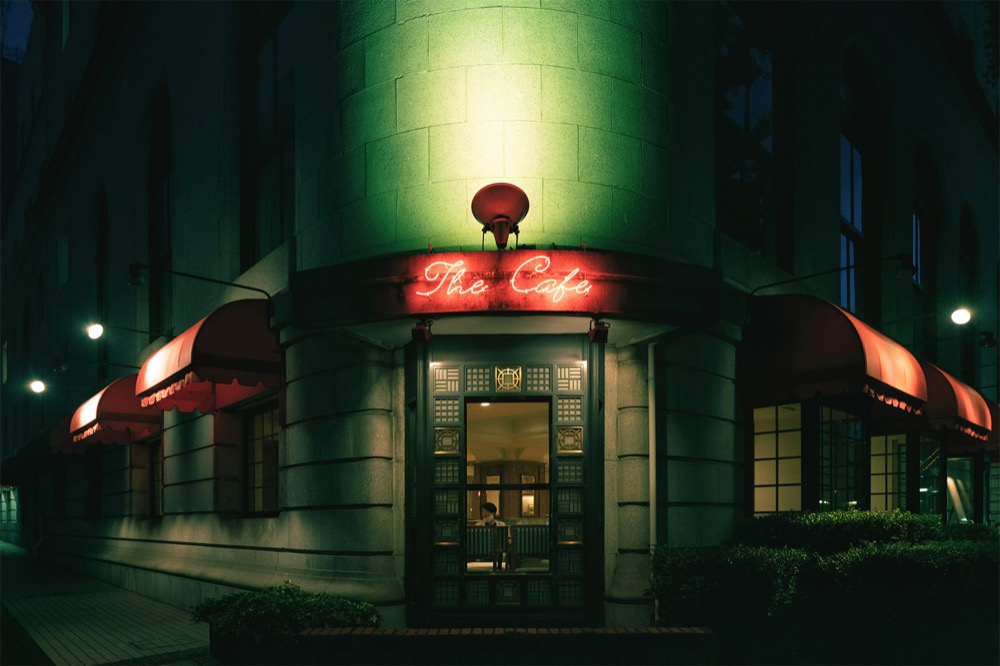
A Late-Night Culture Humans Never Knew... “Midnight Café Tours” Sweep Vampire Society
The trend report from reporter Yang, who has emerged as the icon of VAMPIRENOW, is back.
Jun 16, 2026 •
2 min read
world
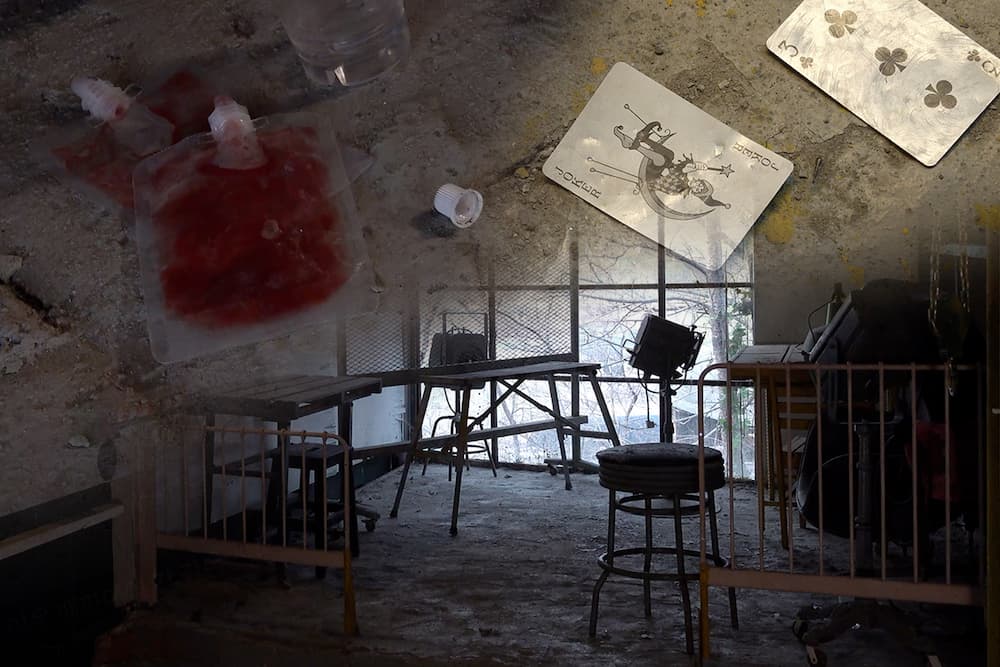
Fugitive Vampires Breaks Silence... Traces Found in Abandoned Factory on City Outskirts
The fugitive vampires, whose whereabouts had been unknown for some time, have reportedly left traces at an abandoned factory on the outskirts of the city.
Apr 17, 2026 •
3 min read
breaking
The Third Message from “The Accomplice”: The “Cruel Truth” Hidden Within
The third message from “The Accomplice,” exclusively obtained by VAMPIRE NOW, forces a completely different perspective on the recent series of events.
Jan 3, 2026 •
1 min read
Report a sighting